| Size | Price | Stock | Qty |
|---|---|---|---|
| 2mg |
|
||
| 5mg |
|
||
| 10mg |
|
||
| 25mg |
|
||
| 50mg |
|
||
| 100mg |
|
||
| 250mg | |||
| Other Sizes |


Purity: ≥98%
Itacitinib (also known as INCB39110) is a potent, selective and orally bioavailable inhibitor of JAK1 (Janus-associated kinase 1) with >20-fold selectivity for JAK1 over JAK2 and >100-fold over JAK3 and TYK2 (IC50 for JAK1, 2, 3, and TYK2 are 2, 63, >2000, and 795 nM, respectively). It has potential antineoplastic activity and is currently in Phase II clinical trials for the treatment of myelofibrosis, rheumatoid arthritis and plaque psoriasis. Janus kinases (JAKs) are a family of four enzymes; JAK1, JAK2, JAK3 and tyrosine kinase 2 (TYK2) that are critical in cytokine signalling and are strongly linked to both cancer and inflammatory diseases. For example, constitutive activation of the inflammation-related IL-6/JAK/STAT3 signaling pathway has been reported in pancreatic tumors and has been suggested to be a poor prognostic factor for overall survival in patients with advanced disease.
| Targets |
JAK1/Janus-associated kinase 1
|
||
|---|---|---|---|
| ln Vitro |
Itacitinib (INCB039110) is a potent and selective inhibitor of JAK1, with >20-fold selectivity for JAK1 over JAK2 and >100-fold over JAK3 and TYK2. Myelofibrosis research employs itacitinib [1].
Itacitinib reduces IL-6 production by macrophages [3] Recent evidence shows that host macrophages are the major producers of IL-6 after CAR T-cell treatment. Therefore, we queried whether itacitinib would prevent IL-6 production by host macrophages. First, murine bone marrow–derived macrophages were expanded in vitro with granulocyte-colony stimulating factor, and itacitinib was added to the cultures at day 6. LPS was added to the culture at day 7 to activate the macrophages. Prophylactic treatment with itacitinib reduced IL-6 production in a dose-dependent manner, indicating that the activity of itacitinib in reducing production of inflammatory cytokines is not exclusive to T-cells (Fig. 2A). We also observed a non-significant trend towards reduction on several other cytokines (i.e. IL-10, IL-12p70, KC/GRO, Supplementary Fig. S2) Itacitinib reduces CAR T-cell cytokine production [3] Whereas cytokine production by the host immune system is a primary cause of CRS, production of inflammatory cytokines by CAR T-cells is also a major contributor. Having shown that itacitinib is capable of reducing inflammatory cytokine production by the host immune system, we next wanted to examine whether itacitinib reduces inflammatory cytokine production by CAR T-cells. Human CD19-CAR T-cells were expanded under concentrations of tocilizumab or itacitinib equivalent to human doses achieved in clinical trials. After a 3-day expansion, CAR T-cells were co-cultured with CD19 expressing NAMALWA target cells, and 6 hours later supernatants were collected to quantify cytokines. Itacitinib, but not tocilizumab, was able to significantly reduce the levels of many inflammatory cytokines (i.e., IL-2, IFN-γ, IL-6, and IL-8) (Fig. 3). As an internal control (background), we also measured cytokines produced by non-transduced T-cells (Fig. 3). Itacitinib at clinically relevant concentrations does not affect PBMC proliferation [3] As T-cells play an important antitumor role, the effect of itacitinib on T-cells was studied to determine if treatment may result in broad immunosuppression potentially interfering with normal T-cell proliferation and function. T-cells were obtained from freshly isolated human PBMCs of healthy adults. Following activation with anti-CD3/anti-CD28 coated beads, T-cells were expanded in the presence of increasing concentrations of itacitinib, and proliferation was measured by flow cytometry. When compared with the dimethyl sulfoxide (DMSO) control, concentrations of itacitinib relevant to the IC50 (50–100 nM) did not have a significant effect on anti-CD3/anti-CD28–induced expansion of human T-cells (Fig. 4A), demonstrating that itacitinib treatment has no negative impact on the ability of T-cells to proliferate. As an internal control, and consistent with the disruption of the JAK/STAT signaling activity, higher concentrations of itacitinib (1000 nM) blocked T-cell proliferation (Fig. 4A). Itacitinib does not affect CAR T-cell proliferation [3] To study the effect of itacitinib specifically on CAR T-cell expansion and cytolytic activity, GD2-CAR T-cells were expanded with anti-CD3/anti-CD28 coated beads in the presence of increasing itacitinib concentrations, ranging from 100 to 500 nM. Once again, when compared with the DMSO control, itacitinib at 100–250 nM did not have a significant effect on CD3/CD28-induced expansion of GD2-CAR T-cells, whereas 500 nM was enough to block CAR T-cell proliferation (Fig. 4B). Importantly, GD2-CAR T-cells expanded in the presence of low (100 and 250 nM) itacitinib concentrations were able to efficiently lyse GD2-expressing tumor cells (Fig. 4C). As a negative (background) control, we also measured target cell lysis by non-transduced (nonspecific) T-cells. As expected, GD2-CAR T-cells expanded in the presence of a high dose of itacitinib (500 nM) and were unable to induce the lysis of target cells beyond background levels (Fig. 4C). Taken together, these data indicate that IC50 relevant doses of itacitinib do not interfere with CAR T-cell proliferation or antitumor activity in vitro. Next, we queried whether itacitinib has an effect on CAR T-cell antigen-specific proliferation. EGFR-CAR T-cells were expanded with anti-CD3/CD28 beads for 2 weeks and then restimulated with EGFR beads in the presence of itacitinib or DMSO controls. Once again, doses of itacitinib relevant to the IC50 (100 or 250 nM) did not affect CAR T-cell antigen-specific proliferation (Fig. 4D). Itacitinib does not affect CD19-CAR T-cell cytolytic activity in vitro [3] To study the effect of itacitinib on human CAR T-cells targeting the CD19 antigen, we treated CD19-CAR T-cells with either itacitinib or anti–IL-6 receptor (tocilizumab) for 3 days and then measured their cytolytic activity against CD19-expressing target cells. Whereas concentrations of tocilizumab that mimic human pharmacologic activity significantly reduced the cytolytic activity of CAR T-cells, 100 nM of itacitinib showed no significant effect when compared with control CAR T-cells (Fig. 6A). CAR T-cells expanded with a higher dose of itacitinib (300 nM, approximately five-fold higher that the cellular IC50) showed a modest but statistically significant inhibition on the antitumor activity (Fig. 6A). As internal controls, the antitumor activity of non-transfected PBMCs was also tested. Non-transduced T-cells were unable to specifically lyse the target cells and were unaffected by neither itacitinib nor tocilizumab treatment beyond background levels (Fig. 6B). |
||
| ln Vivo |
Itacitinib is able to inhibit tumor growth in human pancreatic xenograft models in mice at clinically relevant doses, both as monotherapy and in combination with cytotoxic agents such as gemcitabine.
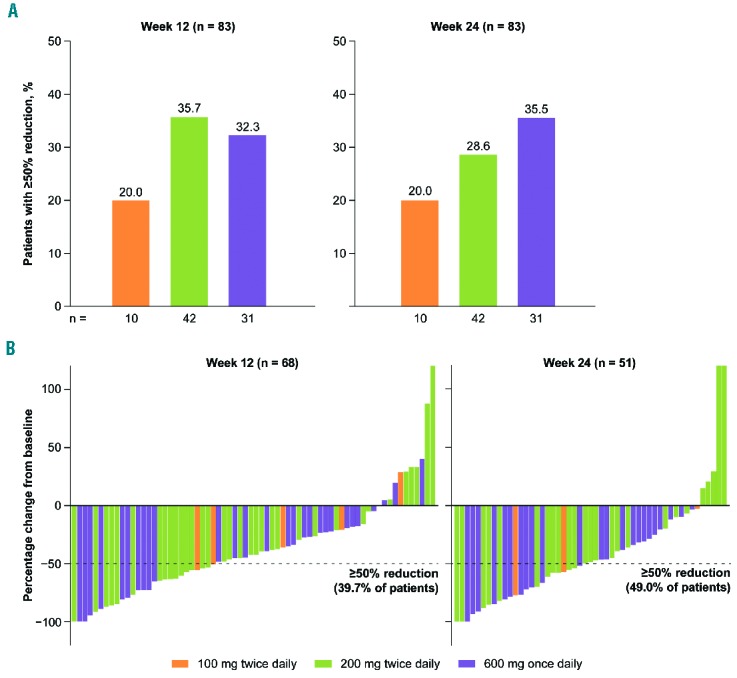
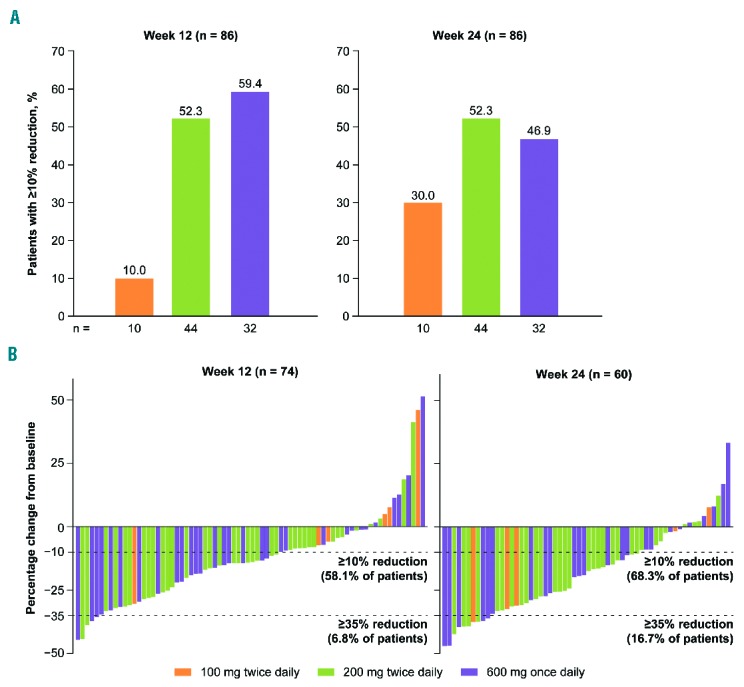
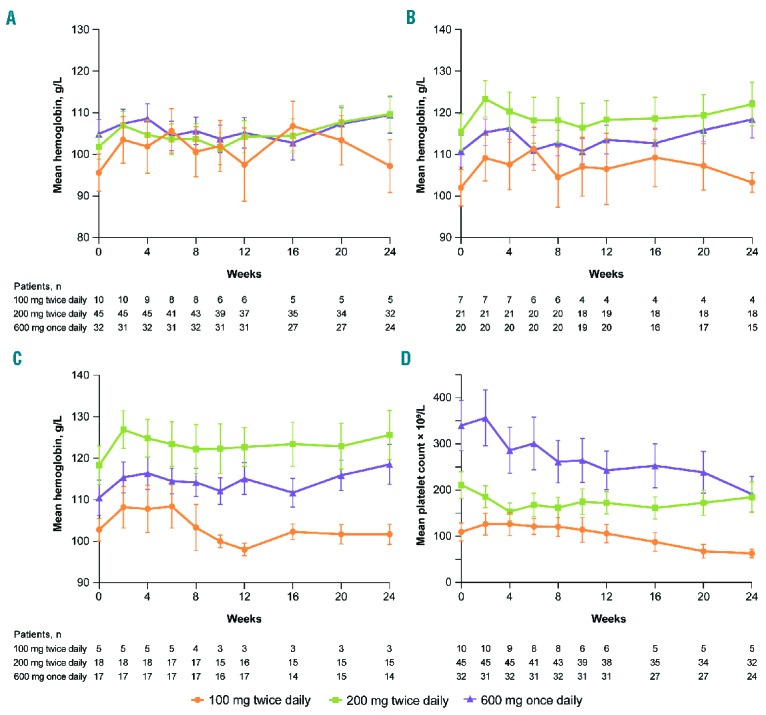
Itacitinib reduces cytokine levels in murine models of acute hyperinflammation [3] As CRS is the most common side effect associated with CAR T-cell treatment, we investigated whether Itacitinib is able to reduce the levels of cytokines associated with acute hyperactivation leading to CRS. Therefore, we conducted experiments in which naïve animals were challenged with ConA, a potent T-cell mitogen capable of inducing broad inflammatory cytokine releases and proliferation. Similar to individuals experiencing CRS, animals receiving ConA have elevated serum levels of multiple inflammatory cytokines as well as behavioral changes such as fever, malaise, hypotension, hypoxia, capillary leak, multi-organ toxicity, and potentially death. To study the effect of itacitinib in this model, corresponding animals were prophylactically dosed with 60 or 120 mg/kg of itacitinib to achieve JAK1 inhibition coverage equivalent to that observed in clinical trials. When compared with vehicle-dosed animals, itacitinib was able to significantly reduce serum levels of many of the cytokines implicated in CRS (i.e., IL-6, IL-12, and IFN-γ) in a dose-dependent manner (Fig. 1A). As expected, itacitinib did not have a significant effect on cytokines independent of the JAK1 pathway (i.e., IL-5, Fig. 1A). However, not all JAK-mediated cytokines were significantly decreased (i.e. IL-4, Fig 1A). Additionally, itacitinib was also able to dose-dependently reduce CRS-implicated cytokines in a therapeutic mode, where animals were dosed with itacitinib 30 minutes after ConA challenge (Fig. 1B). To confirm the capacity of itacitinib to reduce hyperinflammation, naïve animals were challenged with anti-CD3 to induce nonspecific T-cell activation and cytokine response. Once again, corresponding animals were either prophylactically or therapeutically dosed with 120 mg/kg of Itacitinib. Compared with vehicle-treated mice, itacitinib was able to significantly reduce serum levels of many of the cytokines implicated in CRS, but have no effect on cytokines independent of the JAK1 pathway (Supplementary Fig. S1A) [3]. Having determined that Itacitinib is able to reduce IL-6 production in vitro, we next expanded our studies to an in vivo context to assess the effect of itacitinib on activated macrophages in mice. Mice were prophylactically treated with itacitinib or vehicle for 3 days to achieve steady state before receiving an intraperitoneal injection of LPS. Two hours after injection, cytokines were measured from intraperitoneal lavages. As seen in Fig. 2B, doses of itacitinib that mimic the JAK1 inhibition coverage achieved in clinical trials significantly reduced IL-6 production by activated macrophages in vivo. Thus, data from both in vitro and in vivo systems indicate that itacitinib is capable of downregulating the major cellular source of inflammatory IL-6 during an experimentally induced model of CRS [3]. Itacitinib does not impair T-cell antitumor activity in vivo [3] To further test the effect of Itacitinib on antigen-specific T-cell proliferation and in vivo antitumor activity, we isolated splenocytes from OT-1 mice, transgenic for the TCR Vα2Vβ5 specific for the peptide OVA257–264 (SIINFEKL) (36). OT-1 T-cells were expanded with the SIINFEKL peptide in the presence of increasing concentrations of itacitinib, and their expansion was measured by flow cytometry. As expected, itacitinib concentrations relevant to the IC50 have a minimal effect on the expansion rate (Supplementary Fig. S3A). Itacitinib concentrations relevant to maximum free concentrations (189 and 244 nM, in the absence or presence of potent CYP3A4 inhibitors, respectively) induced a modest reduction on T-cell proliferation (Supplementary Fig. S3A). To evaluate the effect of itacitinib on the in vivo antitumor efficacy of OT-1 CD8, we conducted experiments involving adoptive transfer of OVA-specific CD8 cells into C57BL/6 mice previously transplanted with an OVA-expressing tumor cell line (EG7). Five days after tumor challenge, corresponding animals were orally dosed b.i.d. with vehicle or 60 or 120 mg/kg of itacitinib for 2 weeks. Eight days after tumor inoculation, animals received an adoptive transfer of OVA-specific OT-1 naïve CD8 cells. When compared with the control group, adoptive transfer of OT-1 CD8 was able to significantly reduce tumor growth (Fig. 4). Importantly, itacitinib doses equivalent to the JAK1 coverage target doses do not affect the antitumor efficacy of OT-1 cells (Fig. 5). Itacitinib does not affect CD19-CAR T-cell antitumor activity in vivo [3] To test the effect of Itacitinib in vivo, we studied the effect of oral Itacitinib on the antitumor efficacy of CD19-CAR T-cells. Immunodeficient mice (NSG) were challenged with CD19+ nalm6-luciferase expressing human lymphoma cells. Once the tumor was engrafted (day 4), the mice received an adoptive transfer of 3 × 10⁶ human CD19-CAR T-cells. In this model, CAR T-cells were able to control tumor growth, measured by luciferin expression (Fig. 7). Importantly, daily oral itacitinib dosing (120 mg/kg) of the animals did not affect the antitumor activity of adoptively transferred CAR T-cells, thus indicating that, at targeted doses, itacitinib does not have a significant effect on the antitumor activity of CAR T-cells. Finally, to confirm that itacitinib would not affect CAR T-cell activity on a more aggressive model, immunodeficient mice (NSG) were challenged with 5 × 10⁶ CD19+ NAMALWA-luciferase expressing human lymphoma cells. Once the tumor was engrafted (day 7), the mice received an adoptive transfer of human CD19-CAR T-cells. When compared with animals receiving control cells, animals receiving an adoptive transfer of CAR T-cells had a significant tumor growth delay, measured both by luciferin expression (Supplementary Fig. S4B) and expansion of survival (P = 0.0014) (Supplementary Fig. S4C). Even in this aggressive tumor model, daily oral itacitinib dosing of the animals did not affect the antitumor activity of adoptively transferred CAR T-cells (P = 0.1860), thus confirming the safety of prophylactic itacitinib dosing to prevent CRS [3]. Combined Janus kinase 1 (JAK1) and JAK2 inhibition therapy effectively reduces splenomegaly and symptom burden related to myelofibrosis but is associated with dose-dependent anemia and thrombocytopenia. In this open-label phase II study, we evaluated the efficacy and safety of three dose levels of Itacitinib/INCB039110, a potent and selective oral JAK1 inhibitor, in patients with intermediate- or high-risk myelofibrosis and a platelet count ≥50×109/L. Of 10, 45, and 32 patients enrolled in the 100 mg twice-daily, 200 mg twice-daily, and 600 mg once-daily cohorts, respectively, 50.0%, 64.4%, and 68.8% completed week 24. A ≥50% reduction in total symptom score was achieved by 35.7% and 28.6% of patients in the 200 mg twice-daily cohort and 32.3% and 35.5% in the 600 mg once-daily cohort at week 12 (primary end point) and 24, respectively. By contrast, two patients (20%) in the 100 mg twice-daily cohort had ≥50% total symptom score reduction at weeks 12 and 24. For the 200 mg twice-daily and 600 mg once-daily cohorts, the median spleen volume reductions at week 12 were 14.2% and 17.4%, respectively. Furthermore, 21/39 (53.8%) patients who required red blood cell transfusions during the 12 weeks preceding treatment initiation achieved a ≥50% reduction in the number of red blood cell units transfused during study weeks 1-24. Only one patient discontinued for grade 3 thrombocytopenia. Non-hematologic adverse events were largely grade 1 or 2; the most common was fatigue. Treatment with INCB039110 resulted in clinically meaningful symptom relief, modest spleen volume reduction, and limited myelosuppression [1]. |
||
| Enzyme Assay |
Janus kinase (JAK) inhibitors (also termed Jakinibs) constitute a family of small drugs that target various isoforms of JAKs (JAK1, JAK2, JAK3 and/or tyrosine kinase 2 (Tyk2)). They exert anti-inflammatory properties linked, in part, to the modulation of the activation state of pro-inflammatory M1 macrophages. The exact impact of JAK inhibitors on a wider spectrum of activation states of macrophages is however still to be determined, especially in the context of disorders involving concomitant activation of pro-inflammatory M1 macrophages and profibrotic M2 macrophages. This is especially the case in autoimmune pulmonary fibrosis like scleroderma-associated interstitial lung disease (ILD), in which M1 and M2 macrophages play a key pathogenic role. In this study, we directly compared the anti-inflammatory and anti-fibrotic effects of three JAK inhibitors (ruxolitinib (JAK2/1 inhibitor); tofacitinib (JAK3/2 inhibitor) and itacitinib (JAK1 inhibitor)) on five different activation states of primary human monocyte-derived macrophages (MDM). These three JAK inhibitors exert anti-inflammatory properties towards macrophages, as demonstrated by the down-expression of key polarization markers (CD86, MHCII, TLR4) and the limited secretion of key pro-inflammatory cytokines (CXCL10, IL-6 and TNFα) in M1 macrophages activated by IFNγ and LPS or by IFNγ alone. We also highlighted that these JAK inhibitors can limit M2a activation of macrophages induced by IL-4 and IL-13, as notably demonstrated by the down-regulation of the M2a associated surface marker CD206 and of the secretion of CCL18. Moreover, these JAK inhibitors reduced the expression of markers such as CXCL13, MARCO and SOCS3 in alternatively activated macrophages induced by IL-10 and dexamethasone (M2c + dex) or IL-10 alone (M2c MDM). For all polarization states, Jakinibs with inhibitory properties over JAK2 had the highest effects, at both 1 μM or 0.1 μM. [2]
Kinase biochemical profiling [4] Enzyme assays were performed using a homogeneous time-resolved fluorescence assay with recombinant epitope tagged kinase domains (JAK1, 837–1142; JAK2, 828–1132; JAK3, 718–1124; TYK2, 873–1187) and peptide substrate (Biotin-EQEDEPEGDYFEWLE). Each enzyme reaction was carried out with or without test compound (11-point dilution), JAK enzyme, 500 nM peptide, adenosine triphosphate (ATP; 1 mM), and 2.0% dimethyl sulfoxide in assay buffer. The 50% inhibitory concentration (IC50) was calculated as the compound concentration required for inhibition of 50% of the fluorescent signal. Additional activity against a panel of 60 non-JAK family kinases was assessed with standard screening conditions testing 100 nM Itacitinib/INCB039110 using the respective Km concentrations for ATP for each individual kinase. Significant inhibition was defined as more than or equal to 30% (average of duplicate assays) compared with control values. |
||
| Cell Assay |
Validation of polarization markers and respective toxicity of the considered JAK inhibitors for two concentrations relevant of human plasma levels[2]
CXCL10, IL-6, IL1Ra and TNFα were all significantly over-expressed in the IFNγ-induced M1i MDM and in the (IFNγ + LPS)-induced M1Li MDM (Fig. 1A-B) in comparison with M0 unstimulated MDM. CCL18, PDGFbb, PPARγ and tenascin C (TenaC) were significantly over-expressed in the (IL-4/IL-13)-induced M2a MDM in comparison with M0 unstimulated MDM (Fig. 1C-D). CXCL13, IL-10, MARCO and SOCS3 were all upregulated in the IL-10-induced M2c MDM and in the (IL-10/Dexamethasone)-induced M2c + Dex (Fig. 1E). T-cell proliferation assay [3] Peripheral blood mononuclear cells (PBMCs) were prepared from human whole blood samples using a Ficoll-Hypaque separation method, and T-cells were then obtained from the PBMCs by centrifugal elutriation. T-cells were maintained in RPMI 1640 medium supplemented with 10% fetal bovine serum, 1% HEPES, 2 mM L-glutamine, 0.05 mM 2-mercaptoethanol and 100 μg/mL streptomycin, and 100 units/mL penicillin (complete RPMI or CM). T-cells were activated with Dynabeads (immobilized agonist antibodies against CD3/CD28) at a 3:1 ratio, resuspended at a density of 0.5 × 10⁶ cells/mL in 24-well plates and treated with Itacitinib at various concentrations (from 50 to 1000 nM). The plates were incubated at 37°C in 5% CO2 atmosphere for 10 days, and the proliferation was determined every other day by bead-based methods. Cultures were replenished every other day with fresh CM. Cytotoxicity assays [3] Luciferase expressing SY5Y neuroblastoma cells (GD-2+) were plated in a 96-well plate at 50,000 cells/well. Twenty-four hours later, 150,000 CAR T-cells were added to corresponding wells in a final volume of 200 μL. Target cells alone were seeded in parallel to quantify the maximum luciferase expression (relative luminescent units; RLUmax). Seventeen hours later 100 μL of luciferin substrate was added to the co-culture. Luminescence was measured after a 10-minute incubation using an EnVision plate reader. The percent cell lysis was obtained using the following calculation: [1 − (RLUexperimental)/(RLUmax)] × 100. The experiment was performed in triplicates. Monocyte chemotatic protein (MCP)-1 assay [4] Human PBMCs were preincubated with Itacitinib for 10 min at 37 °C, 5% CO2 and cultured at 1.5 × 10⁶ cells/ml in RPMI media. Wells were stimulated by adding 30 ng/ml of human recombinant IL-6 and incubated for 48 h at 37 °C, 5% CO2. Supernatants were harvested and analyzed for levels of human MCP-1 by commercial ELISA. Itacitinib IC50 determination was performed by curve fitting using GraphPad Prism 5.0 software. cell proliferation assay [4] Human T cells were then obtained from PBMCs and maintained in RPMI with 10% fetal bovine serum. For IL-2 stimulated cell proliferation analysis, cells were first treated with 10 μg/ml of phytohemagglutinin for 3 days to stimulate expression of IL-2 receptors. Cells were subsequently washed and resuspended in RPMI media at 6000 cells per well and treated with Itacitinib in the presence of 100 U/ml human IL-2. The plates were incubated at 37 °C in 5% CO2 for 3 days and proliferation determined by adding CellTiter-Glo® Reagent and detecting luminescence. Itacitinib IC50 determination was performed using the GraphPad Prism 5.0 software. IL-17/IL-22 cytokine analysis [4] Human PBMCs were were maintained in RPMI supplemented with 10% fetal bovine serum, and T cell were activated with 1 μg/ml anti-CD3 and 5 μg/ml anti-CD28 antibodies. After 2 days, the cells were washed and recultured with IL-23 (100 ng/ml), IL-2 (10 ng/ml) and Itacitinib. Cells were incubated for an additional 4 days at 37 °C. IL-17 and IL-22 concentrations in the supernatants were measured by ELISA. Human phosphorylated STAT3 (pSTAT3) whole blood assay [4] Blood from healthy human volunteers were collected into heparinized tubes. Blood was incubated with various Itacitinib concentrations for 10 min at 37 °C. Cells were subsequently stimulated with 100 ng/ml of IL-6 for 15 min at 37 °C. Red blood cells were lysed using hypotonic conditions, and the supernatant was removed by centrifugation. White blood cells were pelleted and lysed to make total cellular extracts. The extracts were analyzed for pSTAT3 using a commercial phospho-STAT3 specific ELISA. |
||
| Animal Protocol |
|
||
| ADME/Pharmacokinetics |
Pharmacokinetic Study of Itatinib in Mice After Multiple Oral Dosings [4]
The pharmacokinetics of itatinib were determined in female BALB/c mice by oral administration at doses of 20, 40, and 80 mg/kg twice daily for 12 consecutive days (Figure 4). The mean peak plasma concentration (Cmax) and area under the curve increased with increasing dose, but not proportionally. Pharmacokinetic Study [4] Oral absorption of itatinib was determined in commercially available female BALB/c mice (BALB/c AnNCrl strain #028, Charles River Laboratories). Itatinib was dissolved in 0.5% methylcellulose solution and administered by gavage at doses of 20, 40, or 80 mg/kg twice daily for 12 consecutive days. Blood samples were collected from the retro-orbital venous plexus at 1, 2, 8, and 16 hours after the last administration. All blood samples were collected using EDTA as an anticoagulant and centrifuged to obtain plasma samples. Plasma itacitinib concentrations were determined using liquid chromatography-tandem mass spectrometry (LC-MS/MS) with a Sciex API-4000 mass spectrometer employing a positive ion interface and multiple reaction monitoring (MRM) mode. Pharmacokinetic parameters were determined using plasma concentration-time data via WinNonlin® version 5.0.1 software and a standard non-compartmental model method. This article presents the results of a phase 3 randomized, double-blind population pharmacokinetic (PopPK) and exposure-response analysis of a study comparing the efficacy of itacitinib in combination with glucocorticoids versus placebo in combination with glucocorticoids for the treatment of acute graft-versus-host disease (aGVHD). The analysis included the primary efficacy endpoint—response rate on day 28 of acute graft-versus-host disease (aGVHD)—and some safety endpoints (incidence of thrombocytopenia, hypertriglyceridemia, and cytomegalovirus infection). The PopPK dataset contains limited data from patients with acute graft-versus-host disease (aGVHD) and partially enriched data from healthy volunteers. The structural model was a two-compartment model with first-order elimination kinetics and dose-dependent nonlinear absorption kinetics, as well as a dual first-order absorption pathway with lag time. Co-administration with a potent cytochrome P450 (CYP) 3A inhibitor, moderate renal impairment, and the subject population (healthy volunteers and aGVHD patients) were covariates of apparent clearance. The subject population was also a covariate of apparent intercompartmental clearance and secondary absorption compartment lag time. Co-administration with a potent CYP3A inhibitor reduced apparent clearance by 42%. Simulation results support the following dose reduction regimens when used in combination with a potent CYP3A inhibitor: 300 mg once daily to 200 mg once daily, 400 mg once daily to 300 mg once daily, and 600 mg once daily to 400 mg once daily. Dose adjustments are not recommended based on the extent of influence of other covariates retained in the model. A linear logistic regression model was used to analyze the exposure-response relationship between itatinib exposure and the probability of aGVHD remission on day 28. Itatinib exposure and aGVHD risk status were both significant predictors of remission. Itatinib exposure was not associated with thrombocytopenia, hypertriglyceridemia, or cytomegalovirus infection. https://pubmed.ncbi.nlm.nih.gov/36601737/ |
||
| Toxicity/Toxicokinetics |
Safety and Tolerability [1]
The median (range) exposure time for INCB039110 was 102 (23–519) days in the twice-daily 100 mg group, 268 (22–535) days in the twice-daily 200 mg group, and 197 (58–343) days in the once-daily 600 mg group. Table 2 lists the most common non-hematologic adverse events (regardless of causation); most were grade 1 or 2. ≥ grade 3 non-hematologic adverse events occurring in multiple patients included: pneumonia, dyspnea, and hypertension (3 cases each), and congestive heart failure, rectal bleeding, fatigue, fever, urinary tract infection, hyperkalemia, elevated alkaline phosphatase, and acute renal failure (2 cases each). These 25 adverse events occurred in 18 different patients. Although infections were relatively common (44.8%), with 19.5% of patients experiencing upper respiratory tract infections (see online supplementary table S1), most were mild to moderate. Only four cases (one each of bronchitis, folliculitis, herpes simplex, and urinary tract infection) were considered treatment-related by the investigators. All four were grade 2, not serious adverse events, and all recovered without altering the study treatment regimen. Two patients died during the study period (both in the once-daily 600 mg dose group): a 62-year-old patient died of pneumonia approximately five months after treatment, and a 61-year-old patient died of unknown cause, possibly related to disease progression, nearly four months after treatment. The investigators considered both deaths to be treatment-independent. |
||
| References |
|
||
| Additional Infomation |
Itatinib has been used in clinical trials for the treatment of various cancers, including melanoma, carcinoma, metastatic cancer, endometrial cancer, and B-cell malignancies. Itatinib is an orally bioavailable Janus kinase 1 (JAK1) inhibitor with potential antitumor and immunomodulatory activities. After oral administration, Itatinib selectively inhibits JAK-1, thereby suppressing phosphorylation of signal transduction and activating transcription factor (STAT) proteins and the production of pro-inflammatory factors induced by other cytokines, including interleukin-23 (IL-23) and interleukin-6 (IL-6). The JAK-STAT pathway plays a crucial role in the signaling of many cytokines and growth factors and is involved in cell proliferation, growth, hematopoiesis, and immune responses; JAK kinases may be upregulated in inflammatory diseases, myeloproliferative disorders, and various malignancies. Drug Indications: Treatment of acute graft-versus-host disease. Janus kinase (JAK) inhibitors (also known as JAK inhibitors) are a class of small molecule drugs that target different JAK subtypes (JAK1, JAK2, JAK3, and/or tyrosine kinase 2 (Tyk2)). They exert their anti-inflammatory effects, partly due to their ability to modulate the activation state of pro-inflammatory M1 macrophages. However, the precise effects of JAK inhibitors on a broader range of macrophage activation states remain to be determined, particularly in diseases where both pro-inflammatory M1 macrophages and pro-fibrotic M2 macrophages are activated. This is especially evident in autoimmune pulmonary fibrosis, such as scleroderma-associated interstitial lung disease (ILD), where M1 and M2 macrophages play crucial pathogenic roles. This study directly compared the anti-inflammatory and anti-fibrotic effects of three JAK inhibitors (ruxolitinib (JAK2/1 inhibitor), tofacitinib (JAK3/2 inhibitor), and itatinib (JAK1 inhibitor)) on five different activated states of primary human monocyte-derived macrophages (MDM). These three JAK inhibitors exhibited anti-inflammatory properties in macrophages, manifested by downregulation of key polarization markers (CD86, MHCII, TLR4) and reduced secretion of key pro-inflammatory cytokines (CXCL10, IL-6, and TNFα) in M1 macrophages activated by co-activation of IFNγ and LPS or by IFNγ alone. We also highlighted that these JAK inhibitors limited IL-4 and IL-13-induced macrophage M2a activation, primarily through downregulation of the M2a-associated surface marker CD206 and reduced CCL18 secretion. Furthermore, these JAK inhibitors also reduced the expression of markers such as CXCL13, MARCO, and SOCS3 in alternatively activated macrophages induced by IL-10 and dexamethasone (M2c+dex) or IL-10 alone (M2c MDM). For all polarization states, JAK inhibitors with JAK2-inhibiting effects showed the strongest inhibitory effects at concentrations of 1 μM or 0.1 μM. Based on these in vitro results, we also explored the effects of ruxolitinib's JAK2/1 inhibition on mouse macrophages in an HOCl-induced ILD model (which mimics scleroderma-associated ILD). In this model, we found that ruxolitinib significantly inhibited the upregulation of pro-inflammatory M1 markers (TNFα, CXCL10, NOS2) and pro-fibrotic M2 markers (Arg1 and Chi3L3). These results were associated with improvements in skin and lung involvement. Overall, our results suggest that the combined anti-inflammatory and anti-fibrotic properties of JAK2/1 inhibitors may be relevant to targeting lung macrophages in autoimmune and inflammatory lung diseases for which there are currently no effective disease-modifying agents. [2]
Objective: Chimeric antigen receptor-expressing T cells (CAR-T cells) are a promising cancer immunotherapy. Such targeted therapies have shown long relapse-free survival in patients with B-cell leukemia and lymphoma. However, cytokine release syndrome (CRS) is a common and serious, potentially life-threatening side effect of CAR-T cell therapy. Cytokine release syndrome (CRS) is characterized by a rapid (excessive) immune response driven by the release of excessive inflammatory cytokines, including interferon-γ and interleukin-6. Experimental design: Many cytokines associated with CRS are known to transmit signals through the Janus kinase-signal transducer and activator of transcription (JAK-STAT) pathway. This study aimed to investigate the effects of blocking JAK pathway signaling on CAR-T cell proliferation, antitumor activity, and cytokine levels, and conducted investigations in both in vitro and in vivo models. Results: We found that the potent and selective JAK1 inhibitor itacitinib significantly and dose-dependently reduced the levels of multiple CRS-related cytokines, as validated in several in vitro and in vivo models. Importantly, we also report that at clinically relevant doses mimicking human JAK1 pharmacological inhibition, itacitinib did not significantly inhibit the proliferation or antitumor killing ability of three different human CAR T cell constructs (GD2, EGFR, and CD19). Finally, in in vivo models, the antitumor activity of CD19-CAR T cells adopted into CD19+ tumor-bearing immunodeficient animals was not attenuated by oral itacitinib treatment. Conclusion: In summary, these data suggest that itacitinib has the potential to prevent CAR T cell-induced cytokine release syndrome (CRS), and a phase II clinical trial (NCT04071366) of itacitinib for the prevention of CAR T cell therapy-induced CRS has been initiated. [3] Pharmacological regulation of the Janus kinase (JAK) family has yielded clinically significant results in the treatment of inflammatory and hematopoietic system diseases. Several JAK1-selective compounds are currently undergoing clinical studies to determine their anti-inflammatory potential. We evaluated the JAK1 specificity of itacitinib (INCB039110) using recombinase and primary human lymphocytes and investigated its inhibitory effects on signal transduction and activating transcription factor (STAT) signaling pathways. Subsequently, we elucidated the efficacy of oral itacitinib on the pathogenesis of inflammation using rodent models of arthritis and inflammatory bowel disease. Compared with other members of the JAK family, itacitinib is a potent and selective JAK1 inhibitor. In rodents, oral administration of itacitinib resulted in dose-dependent pharmacokinetic exposure, which was highly correlated with STAT3 pharmacodynamic pathway inhibition. Itacitinib improved the symptoms and pathological changes of established experimental arthritis in a dose-dependent manner. In addition, itacitinib effectively delayed disease onset, reduced symptom severity, and accelerated recovery in three different mouse models of inflammatory bowel disease. Low-dose direct catheter injection of itacitinib into the colon was effective in treating TNBS-induced colitis with very low systemic drug exposure, suggesting that local JAK1 inhibition is sufficient to improve disease symptoms. In an acute graft-versus-host disease (GvHD) model, itacitinib treatment rapidly reduced the levels of inflammatory markers in lymphocytes and target tissues, thereby significantly improving disease symptoms. This is the first paper to report that itacitinib, as a potent and selective JAK1 inhibitor, has shown anti-inflammatory activity in multiple preclinical disease models. These data provide a scientific basis for ongoing clinical trials of itacitinib targeting specific GvHD patient populations. [4] |
| Molecular Formula |
C26H23F4N9O
|
|
|---|---|---|
| Molecular Weight |
553.51
|
|
| Exact Mass |
553.196
|
|
| Elemental Analysis |
C, 56.42; H, 4.19; F, 13.73; N, 22.77; O, 2.89
|
|
| CAS # |
1334298-90-6
|
|
| Related CAS # |
Itacitinib adipate;1334302-63-4; 1334298-90-6
|
|
| PubChem CID |
53380437
|
|
| Appearance |
White to light yellow solid powder
|
|
| Density |
1.57±0.1 g/cm3(Predicted)
|
|
| LogP |
3.479
|
|
| Hydrogen Bond Donor Count |
1
|
|
| Hydrogen Bond Acceptor Count |
11
|
|
| Rotatable Bond Count |
5
|
|
| Heavy Atom Count |
40
|
|
| Complexity |
977
|
|
| Defined Atom Stereocenter Count |
0
|
|
| SMILES |
C1CN(CCC1N2CC(C2)(CC#N)N3C=C(C=N3)C4=C5C=CNC5=NC=N4)C(=O)C6=C(C(=NC=C6)C(F)(F)F)F
|
|
| InChi Key |
KTBSXLIQKWEBRB-UHFFFAOYSA-N
|
|
| InChi Code |
InChI=1S/C26H23F4N9O/c27-20-18(1-7-32-22(20)26(28,29)30)24(40)37-9-3-17(4-10-37)38-13-25(14-38,5-6-31)39-12-16(11-36-39)21-19-2-8-33-23(19)35-15-34-21/h1-2,7-8,11-12,15,17H,3-5,9-10,13-14H2,(H,33,34,35)
|
|
| Chemical Name |
|
|
| Synonyms |
|
|
| HS Tariff Code |
2934.99.9001
|
|
| Storage |
Powder -20°C 3 years 4°C 2 years In solvent -80°C 6 months -20°C 1 month |
|
| Shipping Condition |
Room temperature (This product is stable at ambient temperature for a few days during ordinary shipping and time spent in Customs)
|
| Solubility (In Vitro) |
DMSO: 90 mg/mL
Water: 1 mg/mL (Insoluble) Ethanol: 90 mg/mL |
|---|---|
| Solubility (In Vivo) |
Solubility in Formulation 1: ≥ 2.5 mg/mL (4.52 mM) (saturation unknown) in 10% DMSO + 40% PEG300 + 5% Tween80 + 45% Saline (add these co-solvents sequentially from left to right, and one by one), clear solution.
For example, if 1 mL of working solution is to be prepared, you can add 100 μL of 25.0 mg/mL clear DMSO stock solution to 400 μL PEG300 and mix evenly; then add 50 μL Tween-80 to the above solution and mix evenly; then add 450 μL normal saline to adjust the volume to 1 mL. Preparation of saline: Dissolve 0.9 g of sodium chloride in 100 mL ddH₂ O to obtain a clear solution. Solubility in Formulation 2: ≥ 2.5 mg/mL (4.52 mM) (saturation unknown) in 10% DMSO + 90% (20% SBE-β-CD in Saline) (add these co-solvents sequentially from left to right, and one by one), clear solution. For example, if 1 mL of working solution is to be prepared, you can add 100 μL of 25.0 mg/mL clear DMSO stock solution to 900 μL of 20% SBE-β-CD physiological saline solution and mix evenly. Preparation of 20% SBE-β-CD in Saline (4°C,1 week): Dissolve 2 g SBE-β-CD in 10 mL saline to obtain a clear solution. View More
Solubility in Formulation 3: ≥ 2.5 mg/mL (4.52 mM) (saturation unknown) in 10% DMSO + 90% Corn Oil (add these co-solvents sequentially from left to right, and one by one), clear solution. |
| Preparing Stock Solutions | 1 mg | 5 mg | 10 mg | |
| 1 mM | 1.8067 mL | 9.0333 mL | 18.0665 mL | |
| 5 mM | 0.3613 mL | 1.8067 mL | 3.6133 mL | |
| 10 mM | 0.1807 mL | 0.9033 mL | 1.8067 mL |
*Note: Please select an appropriate solvent for the preparation of stock solution based on your experiment needs. For most products, DMSO can be used for preparing stock solutions (e.g. 5 mM, 10 mM, or 20 mM concentration); some products with high aqueous solubility may be dissolved in water directly. Solubility information is available at the above Solubility Data section. Once the stock solution is prepared, aliquot it to routine usage volumes and store at -20°C or -80°C. Avoid repeated freeze and thaw cycles.
Calculation results
Working concentration: mg/mL;
Method for preparing DMSO stock solution: mg drug pre-dissolved in μL DMSO (stock solution concentration mg/mL). Please contact us first if the concentration exceeds the DMSO solubility of the batch of drug.
Method for preparing in vivo formulation::Take μL DMSO stock solution, next add μL PEG300, mix and clarify, next addμL Tween 80, mix and clarify, next add μL ddH2O,mix and clarify.
(1) Please be sure that the solution is clear before the addition of next solvent. Dissolution methods like vortex, ultrasound or warming and heat may be used to aid dissolving.
(2) Be sure to add the solvent(s) in order.
| NCT Number | Recruitment | interventions | Conditions | Sponsor/Collaborators | Start Date | Phases |
| NCT05063110 | Recruiting | Drug: Itacitinib | Adults Patients Having Non Severe HLH | Assistance Publique - Hôpitaux de Paris | May 1, 2022 | Phase 2 |
| NCT04640025 | Active, not recruiting | Drug: itacitinib | Myelofibrosis Postlung Transplant (Bronchiolitis Obliterans) |
Incyte Corporation | March 10, 2021 | Phase 2 |
| NCT04239989 | Recruiting | Drug: Itacitinib Drug: Itacitinib Adipate |
Bronchiolitis Obliterans | M.D. Anderson Cancer Center | April 8, 2021 | Phase 1 |
| NCT04358185 | Active, not recruiting | Drug: Itacitinib (INCB039110) | Advanced Hepatocellular Carcinoma | NImperial College London | December 3, 2018 | Phase 1 |
Treatment effects on total symptom score (TSS).Haematologica.2017 Feb;102(2):327-335. |
Treatment effects on spleen volume.Haematologica.2017 Feb;102(2):327-335. |
Mean hemoglobin level and platelet count over time by dose cohort.Haematologica.2017 Feb;102(2):327-335. |
Products are for research use only; We do not sell to patients
Copyright 2020 InvivoChem LLC | All Rights Reserved


 COA
COA