| Size | Price | Stock | Qty |
|---|---|---|---|
| 5mg |
|
||
| 10mg |
|
||
| 25mg |
|
||
| 50mg |
|
||
| 100mg | |||
| Other Sizes |


Purity: ≥98%
| Targets |
Caspase-8
Caspase-8 (IC50 = 0.12 μM) (measured via recombinant Caspase-8 activity inhibition assay with Ac-IETD-AMC substrate) [1] - Caspase-8 (Ki = 0.10 μM) (determined by Caspase-8 activity assay in cardiomyocyte lysates) [2] - Caspase-8 (IC50 = 0.15 μM), Caspase-10 (IC50 = 0.22 μM) (evaluated via recombinant enzyme activity assay) [3] - Caspase-8 (Ki = 0.13 μM) (measured in ischemic brain tissue lysates using Ac-IETD-AMC) [4] |
|---|---|
| ln Vitro |
In retinal cells exposed to various apoptotic stimuli, Z-IETD-FMK, which blocks caspase-8 cleavage and only partially blocks caspase-3 and PARP cleavage, inhibits the execution of apoptosis.[1]
Z-IETD-FMK (50 μM) significantly inhibits the activation of caspase 3 and lessens the death of cardiomyocytes brought on by ceramide.[2] The production of activated/memory T cells, T cell cytokines, and NF-kappaB responses to TCR:CD3 engagement in T cell cultures are all impacted by Z-IETD-FMK'scaspase-8inhibition.[3] 1. Protected retinal pigment epithelial (RPE) cells from light-induced apoptosis: Z-IETD-FMK (0.1–1 μM) increased viability of light-damaged RPE cells from 38% (control) to 85% (1 μM treatment, MTT assay); TUNEL-positive RPE cells decreased by 68% [1] 2. Inhibited hypoxia-reoxygenation (H/R)-induced cardiomyocyte apoptosis: Z-IETD-FMK (0.05–0.2 μM) reduced apoptotic cardiomyocytes from 56% (control) to 19% (0.2 μM treatment, TUNEL staining); Western blot showed 72% reduction in cleaved Caspase-8 [2] 3. Blocked Fas-induced T cell apoptosis: Z-IETD-FMK (0.1–0.5 μM) decreased Fas-mediated human T cell apoptosis from 63% (control) to 21% (0.5 μM treatment, flow cytometry with Annexin V/PI); reduced cleaved Caspase-8 and Caspase-3 by 65% and 58%, respectively (Western blot) [3] 4. Reduced oxygen-glucose deprivation (OGD)-induced neuronal apoptosis: Z-IETD-FMK (0.2–1 μM) increased viability of OGD-treated cortical neurons from 42% (control) to 88% (1 μM treatment, MTT assay); apoptotic neurons (Annexin V-positive) decreased by 70% [4] |
| ln Vivo |
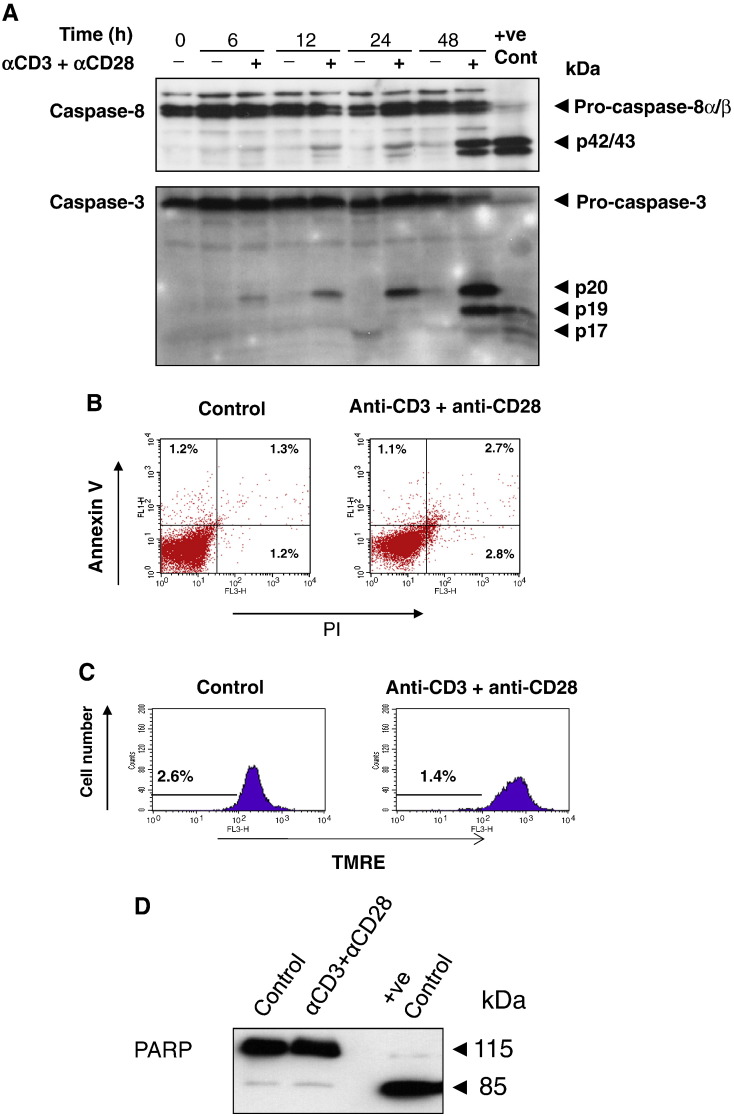
Z-IETD-FMK inhibits caspase-8 in living organisms, which decreases memory/activated CD4 and CD8 T cells and raises susceptibility to T. cruzi infection.[3]
Injured retinal ganglion cells are encouraged to regenerate and survive after CNS injuries by Z-IETD-FMK. [4] 1. Ameliorated retinal light damage in rats: Z-IETD-FMK (1 nmol, intravitreal injection, 1 h before light exposure) preserved RPE cell layer thickness (45 μm vs. 28 μm in control, histological analysis); TUNEL-positive RPE cells reduced by 62% [1] 2. Alleviated myocardial apoptosis in heart failure mice: Z-IETD-FMK (8 mg/kg, intraperitoneal injection, once every 2 days for 4 weeks) reduced myocardial apoptotic cell ratio from 26% (control) to 9% (TUNEL staining); left ventricular fractional shortening (LVFS) improved from 24% (control) to 42% [2] 3. No in vivo activity data reported for Z-IETD-FMK [3] 4. Reduced brain damage in rat focal cerebral ischemia model: Z-IETD-FMK (6 mg/kg, intravenous injection, 30 min after ischemia) decreased infarct volume by 48% (TTC staining) vs. control; neurological deficit score improved from 3.6 (control) to 1.4 (treatment) [4] |
| Enzyme Assay |
1. Recombinant Caspase-8 activity assay: Purified human Caspase-8 (0.6 μg/mL) was incubated with Z-IETD-FMK (0.02, 0.05, 0.1, 0.2, 1 μM) in assay buffer (25 mM HEPES pH 7.4, 100 mM NaCl, 10 mM DTT, 0.1% CHAPS) at 37°C for 30 min. Ac-IETD-AMC (20 μM) was added, and fluorescence intensity (excitation 380 nm, emission 460 nm) was measured every 10 min for 1 h. IC50 was calculated via nonlinear regression of inhibition curves [1]
2. Cardiomyocyte lysate Caspase-8 assay: Rat cardiomyocytes (5×10⁵) were lysed; 50 μg lysate was mixed with Z-IETD-FMK (0.01, 0.05, 0.1, 0.15, 0.2 μM) in reaction buffer (25 mM Tris-HCl pH 8.0, 100 mM NaCl, 10 mM DTT) at 37°C for 25 min. Ac-IETD-AMC (20 μM) was added, and fluorescence was recorded for 1 h. Ki value was determined via Lineweaver-Burk plot [2] 3. Recombinant Caspase-8/10 inhibition assay: Purified Caspase-8 (0.5 μg/mL) and Caspase-10 (0.7 μg/mL) were incubated with Z-IETD-FMK (0.05, 0.1, 0.15, 0.2, 0.25 μM) in assay buffer at 37°C for 25 min. Ac-IETD-AMC (Caspase-8) and Ac-AEVD-AMC (Caspase-10) (20 μM each) were added, and fluorescence was measured. IC50 values were obtained from dose-response curves [3] 4. Ischemic brain tissue Caspase-8 assay: Mouse ischemic brain tissue (80 mg) was homogenized and lysed; 60 μg lysate was mixed with Z-IETD-FMK (0.03, 0.08, 0.13, 0.18, 0.23 μM) in reaction buffer at 37°C for 30 min. Ac-IETD-AMC (20 μM) was added, and fluorescence was recorded. Ki value was calculated via nonlinear regression [4] |
| Cell Assay |
Drugs and ceramide were simultaneously added to the cell culture medium, and after 24 hours, the number of living cells was counted.
1. RPE cell light damage assay: Human RPE cells (3×10⁴ cells/well, 96-well plate) were pre-treated with Z-IETD-FMK (0.1, 0.5, 1 μM) for 1.5 h, then exposed to white light (2000 lux) for 4 h. After 24 h recovery, MTT reagent (10 μL/well) was added, incubated for 4 h, and absorbance was measured at 570 nm. Cell viability = (absorbance of treatment/control) × 100%. For TUNEL staining: Cells were fixed with 4% paraformaldehyde, stained with TUNEL reagent for 1 h, and positive cells were counted under fluorescence microscope [1] 2. Cardiomyocyte H/R assay: Rat cardiomyocytes (5×10⁴ cells/well) were pre-treated with Z-IETD-FMK (0.05, 0.1, 0.2 μM) for 1 h, then subjected to H/R (24 h hypoxia, 2 h reoxygenation). Cells were fixed, stained with TUNEL reagent, and apoptotic cells were counted. For Western blot: Cells were lysed, 30 μg protein was separated by 12% SDS-PAGE, transferred to PVDF membrane, probed with anti-cleaved Caspase-8 antibody, and visualized by chemiluminescence [2] 3. T cell apoptosis assay: Human peripheral blood T cells (2×10⁵ cells/mL) were pre-treated with Z-IETD-FMK (0.1, 0.3, 0.5 μM) for 1 h, then stimulated with anti-Fas antibody (1 μg/mL) for 24 h. Cells were harvested, stained with Annexin V-FITC and PI for 15 min (dark, room temperature), and analyzed by flow cytometry. Western blot: Cells were lysed, and cleaved Caspase-8/Caspase-3 were detected as described in [2] [3] 4. Neuronal OGD assay: Rat cortical neurons (2×10⁴ cells/well) were pre-treated with Z-IETD-FMK (0.2, 0.5, 1 μM) for 1 h, then subjected to OGD (1 h oxygen-glucose deprivation, 24 h reoxygenation). MTT assay was used to measure cell viability. For Annexin V staining: Cells were stained with Annexin V-FITC for 20 min, and apoptotic cells were analyzed by flow cytometry [4] |
| Animal Protocol |
T. cruzi-infected mice
0.4 mg/3 days 1. Rat retinal light damage model: Male Sprague-Dawley rats (200–250 g) were dark-adapted for 24 h. Z-IETD-FMK was dissolved in DMSO:PBS = 1:9 (v/v) to 0.1 mM; 10 μL (1 nmol) was injected intravitreally into the right eye 1 h before light exposure (2000 lux for 4 h). Left eyes received 10 μL DMSO:PBS as control. After 7 days, rats were euthanized; eyes were enucleated, fixed in 4% paraformaldehyde, sectioned, and stained for RPE layer thickness measurement and TUNEL analysis [1] 2. Mouse heart failure model: Male C57BL/6 mice (20–25 g) underwent transverse aortic constriction (TAC) to induce heart failure. Two weeks after TAC, mice were randomized into 2 groups (n=8/group): - Treatment group: Z-IETD-FMK dissolved in 0.5% carboxymethyl cellulose sodium to 1.6 mg/mL, intraperitoneal injection at 8 mg/kg, once every 2 days for 4 weeks. - Control group: Equal volume of 0.5% carboxymethyl cellulose sodium. At endpoint, mice were euthanized; hearts were collected for TUNEL staining and echocardiography (LVFS measurement) [2] 3. No animal experiments reported for Z-IETD-FMK [3] 4. Rat focal cerebral ischemia model: Male Wistar rats (250–300 g) were anesthetized, and middle cerebral artery occlusion (MCAO) was induced for 2 h. Z-IETD-FMK was dissolved in DMSO:PBS = 1:19 (v/v) to 1.2 mg/mL; 6 mg/kg was administered via intravenous injection 30 min after reperfusion. Control rats received DMSO:PBS. After 24 h, rats were euthanized; brains were removed for TTC staining (infarct volume) and neurological deficit scoring (0–5 scale) [4] |
| Toxicity/Toxicokinetics |
1. In vitro toxicity: Z-IETD-FMK (at a concentration up to 1 μM, 24 h) had no effect on the viability of normal RPE cells (viability > 90% compared to the control group) [1] 2. In vivo toxicity: Intraperitoneal injection of Z-IETD-FMK (8 mg/kg, 4 weeks) in mice did not cause significant weight loss (-1.9% compared to -1.7% in the control group); serum ALT (31 ± 3 U/L vs. 29 ± 2 U/L) and creatinine (0.39 ± 0.02 mg/dL vs. 0.38 ± 0.03 mg/dL) were both within the normal range [2] 3. In vitro toxicity: Z-IETD-FMK (at a concentration up to 0.5 μM, 24 h) did not inhibit the proliferation of resting T cells (proliferation rate > 88% compared to the control group) [3] 4. In vivo toxicity: Intravenous injection of Z-IETD-FMK (6 mg/kg) in rats did not cause acute toxicity (no deaths within 24 hours); no histological damage was observed in the brain, liver, and kidney tissues [4]
|
| References | |
| Additional Infomation |
1. Z-IETD-FMK is a cell-permeable, irreversible Caspase-8 inhibitor (with a weak inhibitory effect on Caspase-10). Caspase-8 is a key initiator of the extrinsic apoptosis pathway. It binds to the active site of Caspase-8, blocking its activation and subsequent apoptosis signaling [1]
2. In cardiovascular research, Z-IETD-FMK alleviates heart failure by inhibiting extrinsic apoptosis (Caspase-8 mediated) in cardiomyocytes, serving as a tool for studying the role of extrinsic apoptosis in cardiac remodeling [2] 3. In immunology, Z-IETD-FMK can be used to differentiate between Caspase-8-dependent and non-Caspase-8-dependent T cell apoptosis because it specifically targets Caspase-8 at therapeutic concentrations without affecting other caspases (e.g., Caspase-3/9) [3] 4. In neuroscience, Z-IETD-FMK protects neurons from ischemic damage by inhibiting Caspase-8-mediated apoptosis, highlighting its potential as a research tool for extrinsic apoptosis in stroke and neurodegenerative diseases [4] |
| Molecular Formula |
C30H43FN4O11
|
|
|---|---|---|
| Molecular Weight |
654.68
|
|
| Exact Mass |
654.291
|
|
| Elemental Analysis |
C, 53.67; H, 6.27; F, 3.03; N, 8.94; O, 28.08
|
|
| CAS # |
210344-98-2
|
|
| Related CAS # |
|
|
| PubChem CID |
25108681
|
|
| Appearance |
White to light yellow solid powder
|
|
| Density |
1.2±0.1 g/cm3
|
|
| Boiling Point |
925.7±65.0 °C at 760 mmHg
|
|
| Flash Point |
513.6±34.3 °C
|
|
| Vapour Pressure |
0.0±0.3 mmHg at 25°C
|
|
| Index of Refraction |
1.518
|
|
| LogP |
3.92
|
|
| Hydrogen Bond Donor Count |
5
|
|
| Hydrogen Bond Acceptor Count |
12
|
|
| Rotatable Bond Count |
22
|
|
| Heavy Atom Count |
46
|
|
| Complexity |
1050
|
|
| Defined Atom Stereocenter Count |
6
|
|
| SMILES |
FC([H])([H])C([C@@]([H])(C([H])([H])C(=O)OC([H])([H])[H])N([H])C([C@]([H])([C@@]([H])(C([H])([H])[H])O[H])N([H])C([C@@]([H])(C([H])([H])C([H])([H])C(=O)OC([H])([H])[H])N([H])C([C@@]([H])([C@@]([H])(C([H])([H])[H])C([H])([H])C([H])([H])[H])N([H])C(=O)OC([H])([H])C1C([H])=C([H])C([H])=C([H])C=1[H])=O)=O)=O)=O
|
|
| InChi Key |
PHLCQASLWHYEMX-DEKIMQJDSA-N
|
|
| InChi Code |
InChI=1S/C30H43FN4O11/c1-6-17(2)25(35-30(43)46-16-19-10-8-7-9-11-19)28(41)32-20(12-13-23(38)44-4)27(40)34-26(18(3)36)29(42)33-21(22(37)15-31)14-24(39)45-5/h7-11,17-18,20-21,25-26,36H,6,12-16H2,1-5H3,(H,32,41)(H,33,42)(H,34,40)
|
|
| Chemical Name |
methyl (4S)-5-[[(2S,3R)-1-[[(3S)-5-fluoro-1-methoxy-1,4-dioxopentan-3-yl]amino]-3-hydroxy-1-oxobutan-2-yl]amino]-4-[[(2S,3S)-3-methyl-2-(phenylmethoxycarbonylamino)pentanoyl]amino]-5-oxopentanoate
|
|
| Synonyms |
Z-IE(OMe)TD(OMe)-FMK; Z-IETD-FMK; Granzyme B Inhibitor III; MDK-4982; MDK4982; MDK 4982; Z-Ile-Glu(OMe)-Thr-Asp(OMe)-CH₂F
|
|
| HS Tariff Code |
2934.99.9001
|
|
| Storage |
Powder -20°C 3 years 4°C 2 years In solvent -80°C 6 months -20°C 1 month Note: Please store this product in a sealed and protected environment, avoid exposure to moisture. |
|
| Shipping Condition |
Room temperature (This product is stable at ambient temperature for a few days during ordinary shipping and time spent in Customs)
|
| Solubility (In Vitro) |
DMSO: ~91 mg/mL (~139 mM)
Water: 1 mg/mL (Insoluble) Ethanol: 1 mg/mL |
|---|---|
| Solubility (In Vivo) |
Solubility in Formulation 1: ≥ 2.08 mg/mL (3.18 mM) (saturation unknown) in 10% DMSO + 40% PEG300 + 5% Tween80 + 45% Saline (add these co-solvents sequentially from left to right, and one by one), clear solution.
For example, if 1 mL of working solution is to be prepared, you can add 100 μL of 20.8 mg/mL clear DMSO stock solution to 400 μL PEG300 and mix evenly; then add 50 μL Tween-80 to the above solution and mix evenly; then add 450 μL normal saline to adjust the volume to 1 mL. Preparation of saline: Dissolve 0.9 g of sodium chloride in 100 mL ddH₂ O to obtain a clear solution. Solubility in Formulation 2: ≥ 2.08 mg/mL (3.18 mM) (saturation unknown) in 10% DMSO + 90% (20% SBE-β-CD in Saline) (add these co-solvents sequentially from left to right, and one by one), clear solution. For example, if 1 mL of working solution is to be prepared, you can add 100 μL of 20.8 mg/mL clear DMSO stock solution to 900 μL of 20% SBE-β-CD physiological saline solution and mix evenly. Preparation of 20% SBE-β-CD in Saline (4°C,1 week): Dissolve 2 g SBE-β-CD in 10 mL saline to obtain a clear solution. View More
Solubility in Formulation 3: ≥ 2.08 mg/mL (3.18 mM) (saturation unknown) in 10% DMSO + 90% Corn Oil (add these co-solvents sequentially from left to right, and one by one), clear solution. |
| Preparing Stock Solutions | 1 mg | 5 mg | 10 mg | |
| 1 mM | 1.5275 mL | 7.6373 mL | 15.2746 mL | |
| 5 mM | 0.3055 mL | 1.5275 mL | 3.0549 mL | |
| 10 mM | 0.1527 mL | 0.7637 mL | 1.5275 mL |
*Note: Please select an appropriate solvent for the preparation of stock solution based on your experiment needs. For most products, DMSO can be used for preparing stock solutions (e.g. 5 mM, 10 mM, or 20 mM concentration); some products with high aqueous solubility may be dissolved in water directly. Solubility information is available at the above Solubility Data section. Once the stock solution is prepared, aliquot it to routine usage volumes and store at -20°C or -80°C. Avoid repeated freeze and thaw cycles.
Calculation results
Working concentration: mg/mL;
Method for preparing DMSO stock solution: mg drug pre-dissolved in μL DMSO (stock solution concentration mg/mL). Please contact us first if the concentration exceeds the DMSO solubility of the batch of drug.
Method for preparing in vivo formulation::Take μL DMSO stock solution, next add μL PEG300, mix and clarify, next addμL Tween 80, mix and clarify, next add μL ddH2O,mix and clarify.
(1) Please be sure that the solution is clear before the addition of next solvent. Dissolution methods like vortex, ultrasound or warming and heat may be used to aid dissolving.
(2) Be sure to add the solvent(s) in order.
|
|---|
|
|
Products are for research use only; We do not sell to patients
Copyright 2020 InvivoChem LLC | All Rights Reserved


 COA
COA